Treatments & Services
Gynecologic Cancer Treatments | Robotic Surgery, Chemotherapy & more

Robotic Surgery in treatment of Gynecological cancers
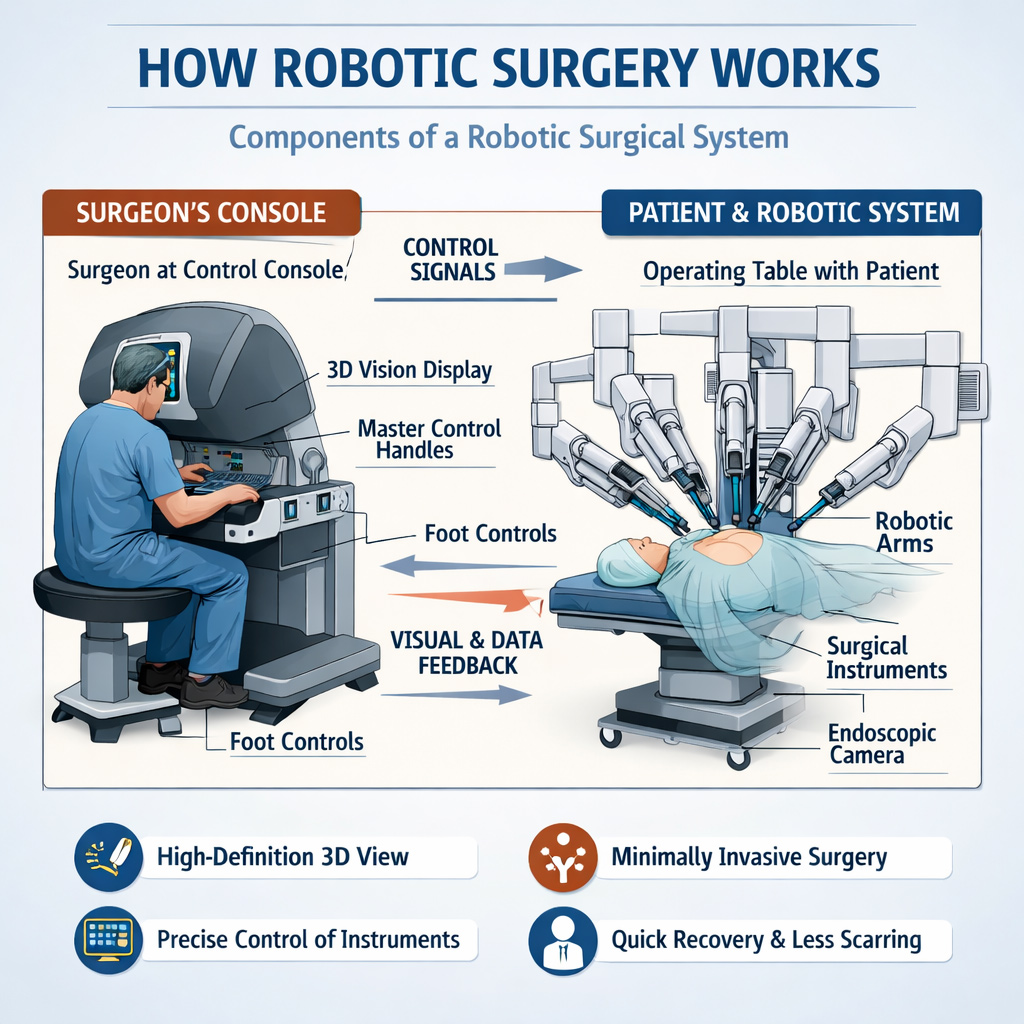
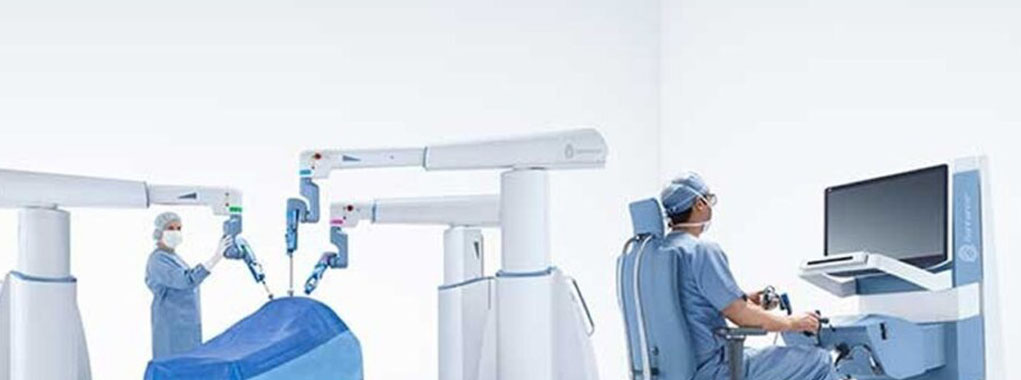
Robotic surgery has become an important advancement in the surgical management of gynecological cancers. It combines the advantages of laparoscopy with greater precision, dexterity, and ergonomics, improving outcomes for both patients and surgeons.
1. Improved Visualization and Precision
- 3D high-definition magnified view improves identification of vital structures and enhances precision of surgery
- Enhanced depth perception helps in precise dissection
- Minimizes injury to nerves, vessels, and ureters
2. Superior Instrument Dexterity
- Wristed instruments with 7 degrees of freedom
- Allows finer movements than conventional laparoscopy
- Facilitates meticulous lymphadenectomy and parametrial dissection
3. Better Ergonomics for Surgeons
- Reduces fatigue during long onco-surgical procedures
- Improves surgical accuracy and consistency
4. Expanded Indications for Minimally Invasive Surgery
Robotics enables MIS for patients who may not be ideal candidates for standard laparoscopy:
- Obese patients
- Large uteri
- Deep pelvic or retroperitoneal disease
- Prior surgeries with adhesions
5. Oncologic Applications
a) Endometrial Cancer
- Robotic hysterectomy with pelvic ± para-aortic lymphadenectomy
- Lower conversion-to-open rates, especially in obese patients
- Comparable oncologic outcomes to open and laparoscopy
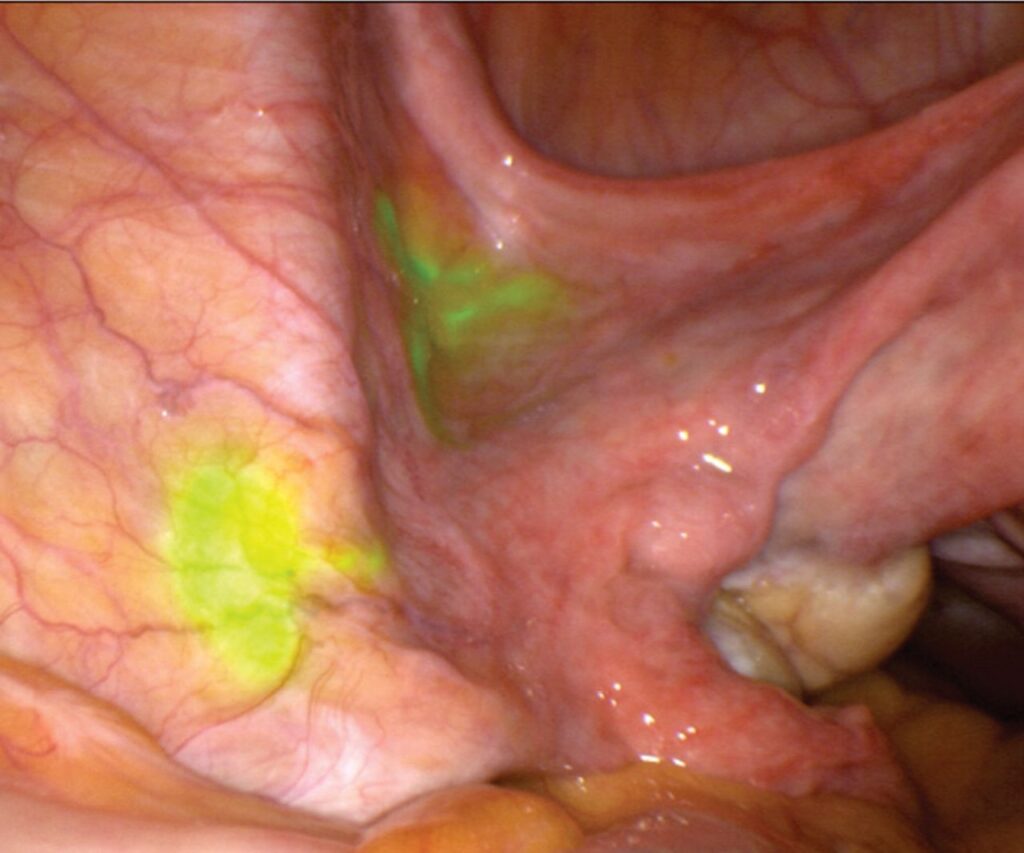
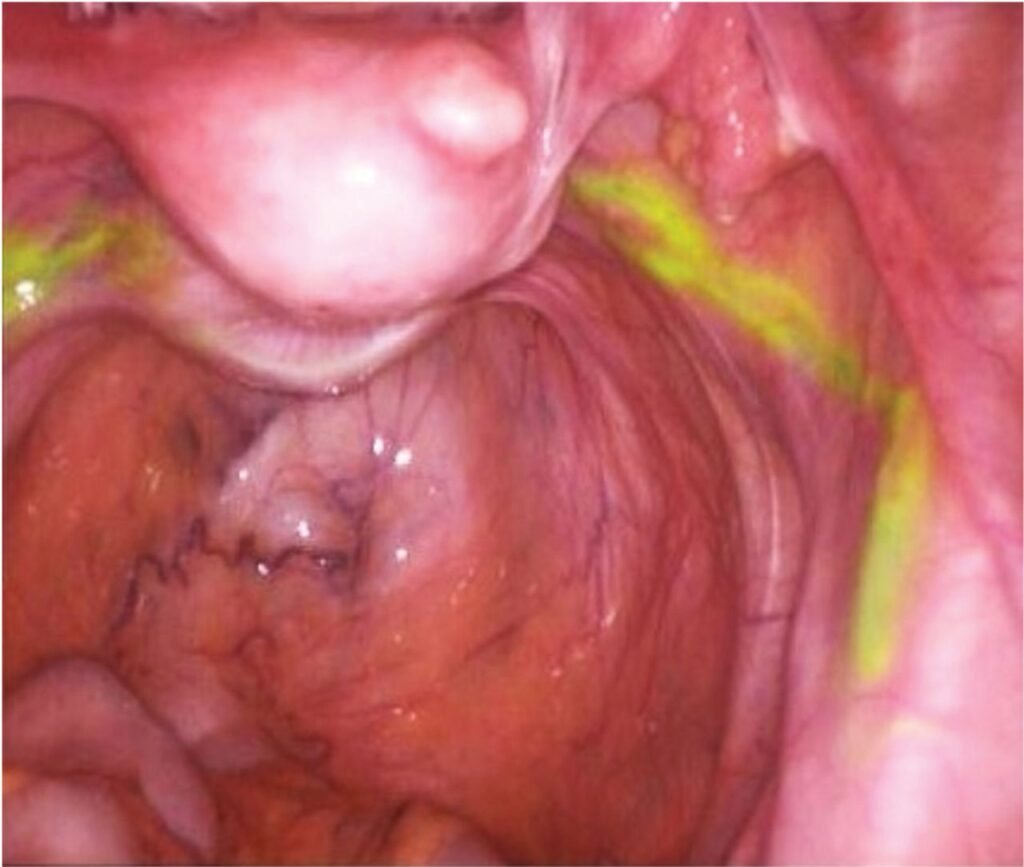
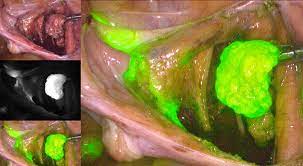
- Sentinel lymph node biopsy for selected low risk endometrial cancers feasible
b) Cervical Cancer
- Radical hysterectomy, pelvic lymphadenectomy
- Nerve-sparing radical procedures
- Controversy exists after LACC trial for early-stage disease, but ongoing trials evaluating robotic modifications (e.g., no manipulator, enclosed colpotomy)
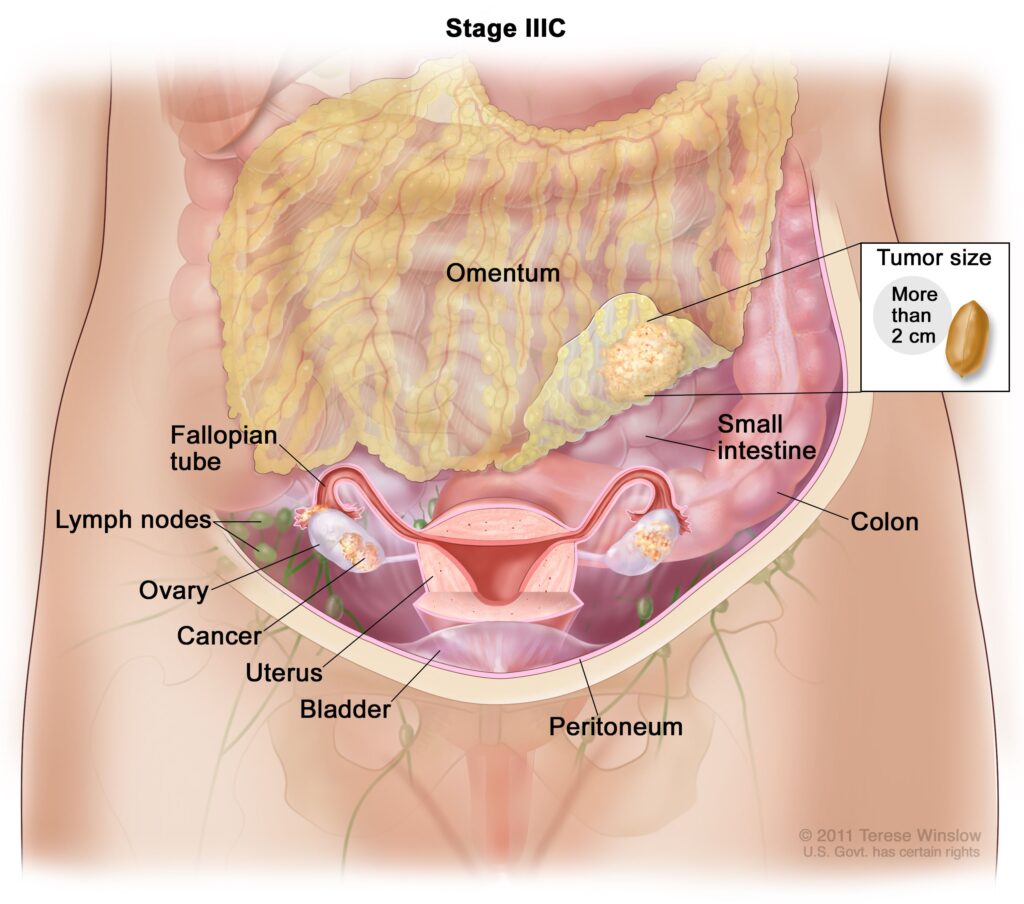
c) Ovarian Cancer
- Selected early-stage disease for staging
- Secondary cytoreduction in select patients
- Limited role in advanced bulky disease
6. Patient Benefits
- Smaller incisions → less pain
- Reduced blood loss
- Shorter hospital stay
- Faster recovery and return to routine activity
- Lower wound complications
7. Oncologic Safety and Outcomes
- Survival outcomes similar to laparoscopy when performed with updated cancer-safe surgical techniques
- Particularly advantageous where conventional laparoscopy is challenging
8. Training and Learning Curve
- Standardized robotic platforms improve reproducibility
- Shorter learning curve compared to advanced laparoscopy
Need a consultation? Contact us to know our availability and contact details.

Dr Richa Bansal
Dr. Richa Bansal MBBS, MS (Obstetrician and Gynecologist), DNB, MCh Gynecological Oncology (Tata Memorial Hospital, Mumbai) is a Sr. Consultant Gynecological Onco Surgeon, Laparoscopic & Robotic Surgeon
What we say?
What our patients say?
Image Gallery